
CATCH BASIN REPAIR
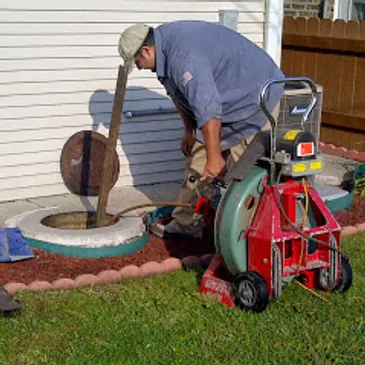
Catch Basin Servicing
Northwest Suburban Plumber: Prevent Larger Repairs and Liabilities
Services Include
- Maintenance
- 24/7 Full Service
- Lifetime Workmanship Guarantee
You should power rod your main sewer every 6 months to prevent tree roots from taking over and soaps and grease from clogging you up. We can also set up a maintenance schedule to service your property.
Got A Plumbing or sewer Problem?
Get A Quote Today
Have Questions?
Call Our Customer Service Team
Our knowledgeable staff will ask a few questions about your plumbing or sewer problem, and walk you through something you could do yourself or schedule an appointment for one of our licensed Chicago plumbers to come take a look. We do it once and we do it right!

What a Catch Basin Does
A catch basin is an underground drainage structure with a grate on top. It collects rainwater and runoff from yards, driveways, downspouts, and parking areas, lets sand, leaves, and debris settle to the bottom, and sends the cleaner water on to the sewer or storm drain through an outlet pipe. Many older homes in Arlington Heights and the surrounding northwest suburbs have backyard catch basins connected directly to the sewer, and most commercial parking lots rely on several of them.
When a catch basin is working, nobody notices it. When it fills with sediment, cracks, or collapses, water has nowhere to go, and the result is standing water, a flooded yard or lot, and in some cases water forced back toward the house.
Catch Basin Services
Cleaning and Clearing
Removing built-up sediment, leaves, and debris from the basin, and clearing the outlet pipe with power rodding or hydro jetting when the blockage is in the line rather than the basin itself.
Repair and Rebuilding
Repairing cracked or crumbling walls, resetting a sunken frame and grate, and rebuilding the top courses of a basin that has shifted, often caused by freeze and thaw cycles and vehicle traffic.
Catch Basin Replacement
Replacing a basin that has collapsed or deteriorated beyond repair, including reconnecting the inlet and outlet pipes so water flows to the sewer as it should.
New Catch Basin Installation
Installing a new catch basin where water pools on a property and has no drainage path, sized and positioned to collect runoff and connected to the appropriate drain line.
Signs Your Catch Basin Needs Attention
- Standing water after rainWater that stays around the grate for hours after a storm means the basin or its outlet is not draining.
- A sunken or tilted grateThe ground around the basin has settled, or the top has shifted. This often means the structure underneath is failing.
- Sinkholes or soft ground nearbyWater escaping through cracks washes soil away, leaving depressions or soft spots around the basin.
- Foul odors from the grateStanding water and rotting debris inside the basin, or a sewer connection problem.
- Visible cracks or crumblingBroken mortar, brick, or concrete inside the basin when the grate is lifted.
- Water backing up toward the houseIf a backyard basin connects to the sewer, a blockage can push water back toward the home and basement.
How a Catch Basin Repair Is Handled
- Inspect the basin and the line We open the basin, check the walls, frame, and grate, and determine whether the problem is in the basin, the outlet pipe, or both. A camera inspection shows the condition of the connecting line.
- Clear what is blocking flow Sediment and debris are removed and the outlet is cleared so water can drain again.
- Recommend the right fix Cleaning alone, a repair, a rebuild, or a full replacement. We explain why, so you are not paying for more work than the basin needs.
- Complete the work and test the flow After repair or replacement, we run water through the basin to confirm it drains properly into the sewer or storm line.
Residential and Commercial Catch Basins
Homes
Backyard catch basins, driveway drains, and downspout connections. On older properties these often tie into the same sewer as the house, which is why a failing basin can contribute to basement flooding during heavy storms.
Businesses and Property Managers
Parking lot and loading dock catch basins for retail centers, office buildings, restaurants, and multi-unit properties. Pooling water in a lot is a slip hazard and a liability. Scheduled cleaning prevents most failures. See our commercial plumbing services.
Related Drainage and Sewer Services
- Flood control and drainage services
- Power rodding
- Hydro jetting
- Sewer camera inspection
- Sewer repair
- Backup sump pumps
More Catch Basin Questions
What is the difference between a catch basin and a storm drain?
A storm drain is the pipe system that carries water away. A catch basin is the structure at the surface that collects water and lets debris settle out before the water enters the drain line. The basin protects the pipe from clogging.
Can a catch basin be repaired, or does it need to be replaced?
Many catch basins can be repaired by resetting the frame and grate, sealing cracks, or rebuilding the upper section. Replacement is needed when the basin has collapsed, the walls have deteriorated throughout, or it is too small for the water it has to handle.
Why does my yard flood near the catch basin?
Usually the basin is full of sediment or the outlet pipe is blocked, so water collects faster than it drains. Roots and collapsed pipe in the outlet line are also common causes. Cleaning the basin and clearing the line solves most cases.
Do you service catch basins for commercial properties?
Yes. We clean, repair, and replace catch basins for parking lots, loading areas, and commercial buildings, and we can set up a maintenance schedule so basins are cleaned before they cause flooding.
Catch Basin Repair FAQ
Frequently Asked Questions About Catch Basin Repair
Catch basins help manage stormwater, drainage, and debris before water reaches the sewer system. Here are answers to common questions about catch basin repair and maintenance.
What is a catch basin?
A catch basin is a drainage structure that collects stormwater, debris, sediment, and runoff before water moves into the sewer or drainage system.
How do I know if my catch basin needs repair?
Signs that a catch basin may need repair include standing water, slow drainage, foul odors, cracks, sinking pavement, backups, damaged grates, or water pooling around the drain area.
What causes catch basin problems?
Catch basin problems can be caused by sediment buildup, debris, aging concrete, damaged pipes, collapsed sections, poor drainage, tree roots, or heavy vehicle traffic over the basin area.
Can a damaged catch basin cause flooding?
Yes. If a catch basin is clogged, cracked, collapsed, or not draining properly, water can pool around the property and may contribute to flooding, sewer backups, or drainage problems.
How often should a catch basin be cleaned or inspected?
Catch basins should be inspected and cleaned periodically, especially if the area collects leaves, sediment, grease, or heavy stormwater runoff. Regular maintenance can help prevent backups and drainage failures.