
Sewer Line Replacement Services In Chicagoland

What Is Sewer Line Replacement & When Do You Actually Need It?
Your sewer line, sometimes called a lateral or house line, is an underground pipe that carries wastewater from your home to the municipal sewer main, or, less commonly, to a private septic system.
In most Chicagoland neighborhoods, this pipe runs anywhere from a few feet to over a hundred feet underground, often passing beneath driveways, sidewalks, mature trees, and landscaping. Because the line is buried and out of sight, it’s easy to forget it exists – until it stops working.
Sewer line replacement means removing all or part of a damaged, deteriorated, or undersized pipe and installing a new one in its place. This is different from a simple sewer line repair, which patches or clears a localized problem without addressing the entire line.
In general, sewer line replacement is typically needed when a pipe has extensive damage, has collapsed, or is too deteriorated to repair effectively.

Why This Matters For Older Chicagoland Homes
What Causes Sewer Lines To Fail?
Tree Root Intrusion
Tree roots are drawn to the moisture and nutrients inside a sewer line and can infiltrate even tiny cracks or joints, eventually growing large enough to block or split the pipe. This is one of the most common issues in tree-lined suburbs and neighborhoods. We offer dedicated tree root removal services for exactly this problem.
Pipe Material Deterioration
Clay, cast iron, and Orangeburg pipes degrade with age. Cast iron corrodes from the inside out, clay becomes brittle and cracks, and Orangeburg can lose its shape entirely under soil pressure.
Ground Shifting & Settling
Illinois’ freeze-thaw cycles cause soil to expand and contract seasonally, which puts stress on rigid, aging pipe and can cause joints to separate or pipes to sag.
Bellied Or Sagging Pipes
When a section of pipe sinks due to unstable soil, waste and debris pool in the lowest spot, which is called a belly. This leads to repeated backups even if the rest of the line is intact.
Corrosion From Age Or Chemical Exposure
Metal pipes naturally corrode over time, and this process can be sped up by certain soil conditions or the chemical makeup of wastewater.
Physical Damage
Construction work, heavy equipment, or even a DIY landscaping project can crack or crush a shallow sewer line.
Grease & Debris Buildup
Over years, grease, scale, and sediment can build up along the interior pipe wall, narrowing the passage until backups become frequent.


7 Warning Signs You May Need Sewer Line Replacement
Multiple Slow Drains At Once
One slow drain is usually a local clog. Slow drains in several fixtures simultaneously, like sinks, tubs, and toilets all backing up together, usually points to a problem in the main line itself.
Recurring Backups
If you’re calling for drain cleaning services every few months and the problem keeps returning, the underlying pipe is likely damaged rather than simply clogged.
Sewage Odors Indoors Or Outdoors
A persistent sewage smell in your basement or yard often means wastewater is escaping the line before it reaches the street, suggesting the line needs replacement.
Unusually Lush Or Soggy Patches Of Lawn
Wastewater leaking underground acts like fertilizer, which can create a strip of noticeably greener grass, or a soggy, saturated area that follows the path of your sewer line.
Foundation Cracks Or Settling Near The Pipe Route
Escaping water can erode soil and destabilize the ground beneath your foundation, driveway, or walkway.
Mold Or Mildew In The Basement
Persistent moisture from a leaking sewer line can create ideal conditions for mold growth, even without visible standing water.
Insect Or Rodent Activity
Cracks in a sewer line can attract pests seeking moisture and easy access points into your home.
The clearest signs you may need sewer line replacement are frequent backups despite repeated cleanings, sewage odors, unusually green or soggy patches of yard, and multiple drains failing at the same time. If you notice any of these signs, a sewer camera inspection from our expert professionals is the fastest way to get a definitive answer rather than guessing.
Sewer Line Repair Vs. Replacement: How To Tell Which One You Need
When Repair Is Usually Enough
- A single crack, joint separation, or localized root intrusion in an otherwise sound pipe
- Damage confined to a short section rather than spread throughout the line
- A pipe that is structurally sound but blocked by grease, scale or debris – often resolved with hydro jetting or power rodding
- Recent pipe material (PVC or modern cast iron) with isolated damage
When Replacement Becomes Necessary
- Widespread deterioration across most of the pipe’s length
- Multiple bellied or collapsed sections
- Outdated, brittle materials like Orangeburg or heavily corroded cast iron
- Pipes that are undersized for the home’s plumbing demands
- Repeated repairs to the same line that haven’t resolved the underlying issue
How Long Does A Sewer Line Usually Last?
Clay and cast iron pipes, common in older Chicagoland homes, typically last 50 to 60 years. Orangeburg pipe often fails within 30 to 50 years. Modern PVC lines, used in most replacements today, can last well over 100 years with proper installation.

Trenchless Vs. Traditional Sewer Line Replacement Methods
Traditional (Dig-And-Replace) Sewer Line Replacement
This is the method most people picture when it comes to replacing a sewer line, and it involves digging a trench along the length of the damaged pipe, removing the old line, and installing new pipe before backfilling the trench. Traditional sewer line replacement is best suited for:
- Severely collapsed or misaligned pipes
- Situations where the pipe’s slope or depth needs to be corrected
- Properties where trenchless access is limited by other underground utilities
Some trade-offs for traditional sewer line replacement include:
- More disruption to lawns, driveways, and landscaping
- Typically a longer project timeline
- Often necessary when the pipe has shifted position or the ground itself needs correction
Trenchless Sewer Line Replacement
Trenchless methods replace or rehabilitate the pipe with minimal excavation, usually through one or two small access points. Common trenchless approaches include:
- Pipe Bursting
Rather than pulling the old pipe out, this method shatters it in place as new pipe is drawn through the same path, occupying the space left by the old pipe. - Cured-In-Place Pipe (CIPP) Lining
A flexible, resin-saturated liner is threaded inside of the damaged pipe, then cured until it forms a rigid, seamless pipe inside the original structure.
Trenchless sewer line replacement is best suited for:
- Pipes with consistent slope and alignment but deteriorated walls
- Homeowners who want to minimize damage to landscaping or hardscaping \
- Situations where a faster timeline is a priority
Some trade-offs for trenchless sewer line replacement include:
- Not always suitable for severely collapsed or misshapen pipe
- May have material and access limitations depending on the pipe’s condition
The quick answer is that trenchless replacement is generally faster and less disruptive to your property, while traditional excavation is often necessary when the pipe has collapsed, shifted, or needs a full slope correction. A plumber can recommend the right method after seeing the pipe’s condition via camera inspection.
What Happens During A Sewer Line Replacement? Step By Step
Initial Inspection & Diagnosis
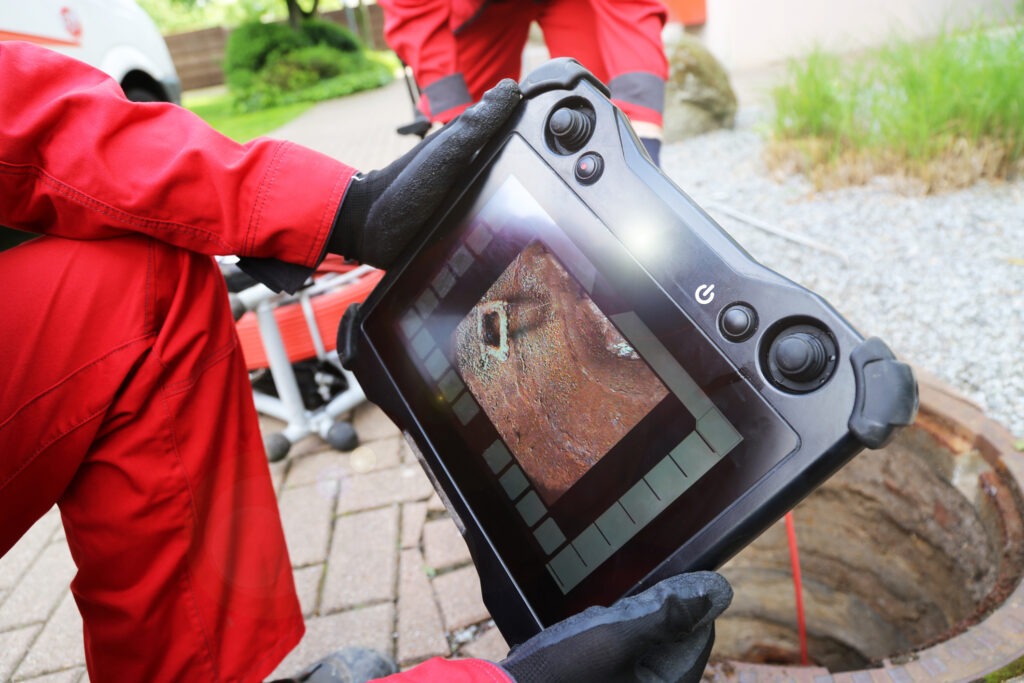
A sewer camera inspection is used to locate the damage, assess pipe material and condition, and determine whether repair or replacement is appropriate.
Locating Utilities & Permitting
Before any digging or trenchless work begins, underground utilities are marked and any required municipal permits are pulled.
Choosing A Replacement Method
Based on the inspection findings, your plumber will recommend traditional excavation, pipe bursting, or CIPP lining; along with an explanation of why that method best serves your specific situation.
Replacement Work
Depending on the method chosen, this stage may involve digging a trench, creating small access pits, and installing the new pipe. New pipe is almost always modern PVC, which resists roots, corrosion, and cracking far better than older materials.
Testing & Verification
Once the new sewer line is in place, it’s tested to confirm proper flow, slope, and that all connections are watertight.
Restoration
For traditional excavation, this means backfilling the trench and restoring landscaping, driveway sections, or sidewalks as needed. Trenchless methods generally require far less restoration work since excavation is limited to small access points.

How To Prevent Sewer Line Problems After Replacement
Once a sewer line has been replaced, a few habits can help extend its lifespan and avoid a repeat of the same issues:
- Schedule periodic camera inspections, especially if your property has mature trees near the sewer line’s path.
- Be mindful of what goes down your drains.
- Address tree root issues proactively rather than waiting for a backup.
- Consider hydro jetting on a routine basis.
- Keep an eye on your yard and basement for the warning signs listed above.
- Maintain your catch basin, if you have one.
Why DIY Or Unlicensed Sewer Replacement Isn’t Worth The Risk
Accurate Diagnosis
Without a camera inspection and trained interpretation of what it shows, it’s easy to misjudge whether repair or replacement is truly needed, which leads to wasted money or a problem that resurfaces.
Code Compliance & Permitting
Municipalities throughout Chicagoland have specific codes governing sewer work, and permits are typically required. A licensed plumber knows how to navigate this correctly.
Utility Safety
Digging near a sewer line means digging near other buried utilities. Locating and protecting these is essential to avoid dangerous and costly mistakes.
Proper Slope & Installation
Even a well-installed pipe will fail prematurely if its slope isn’t correct, and getting this right takes experience and the right equipment.
Long-Term Reliability
A professionally installed sewer line, done with quality materials and proper technique, should last for decades rather than needing revisiting in a few years.
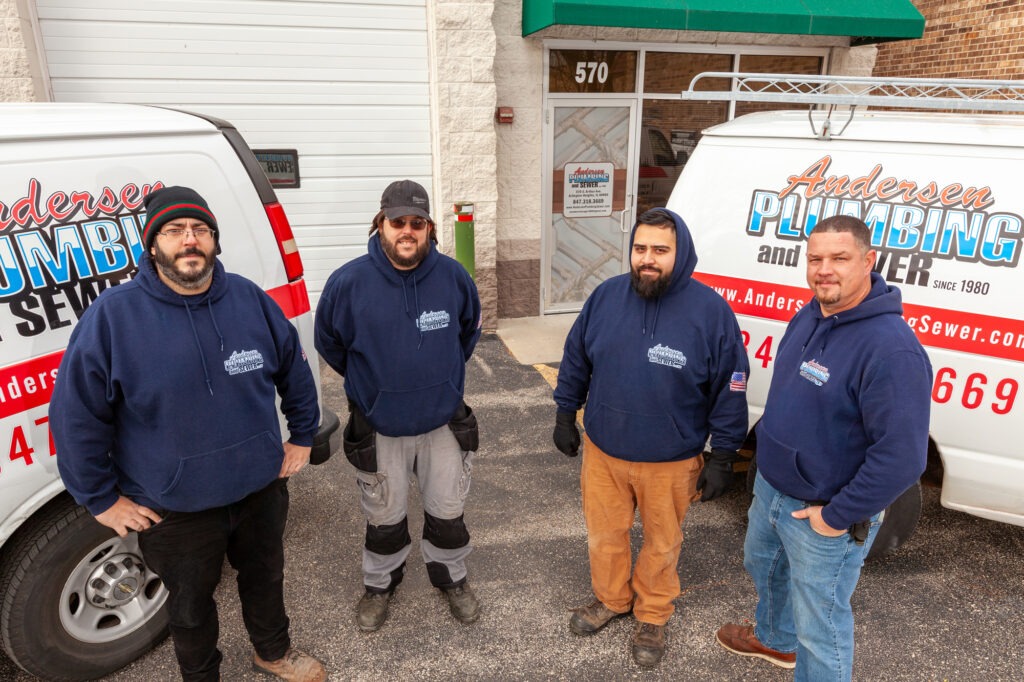
At Andersen Plumbing, our team has handled sewer line issues throughout Chicago since 1980. If you’d like to see the fuller range of what we handle, from sewer repair to flood control and drainage services, our services page has the full list.
Frequently Asked Questions About Chicagoland Sewer Line Replacement Services
How Long Does Sewer Line Replacement Take?
Can I Stay In My Home During Sewer Line Replacement?
Will My Yard Be Destroyed During Sewer Line Replacement?
How Do I Know If I Need A Repair Or Full Replacement?
What Pipe Material Is Used For Sewer Line Replacement Today?
How Often Should I Have My Sewer Line Inspected?
Schedule Your Sewer Line Inspection Today
Recurring backups, sewage odors, and soggy patches of yard aren’t things that resolve on their own, and the longer they’re left alone, the more likely a small problem turns into an expensive one. A camera inspection takes the guesswork out of the equation and tells you exactly what’s going on underground.
Andersen Plumbing has been helping homeowners throughout Chicagoland with sewer line repair and replacement for decades, and every job comes backed by our lifetime workmanship guarantee. To schedule a sewer camera inspection and get a clear, honest answer about what your sewer line needs, please Contact Us Here Today!